Today's deals
6 Pantene deals live right now
Shampoos and conditioners across the Lift'N'Volume, Grow Strong and Grow Abundant ranges. Prices checked 2 August 2026. Tap any deal to view it on Amazon.
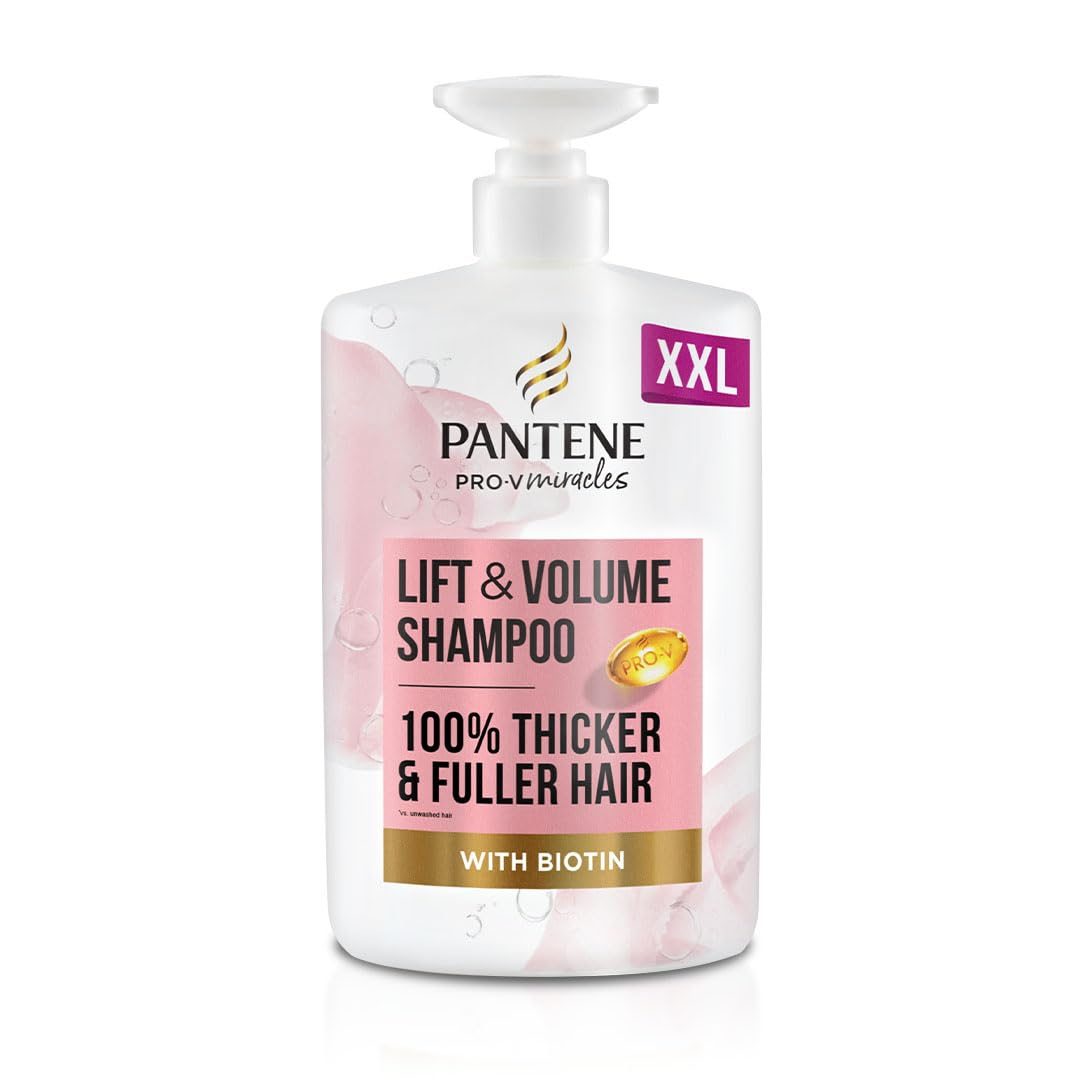
Pantene Lift'N'Volume Thickening Shampoo with Biotin, Silicone Free, 1L
A silicone-free volumising shampoo with biotin, 1L.
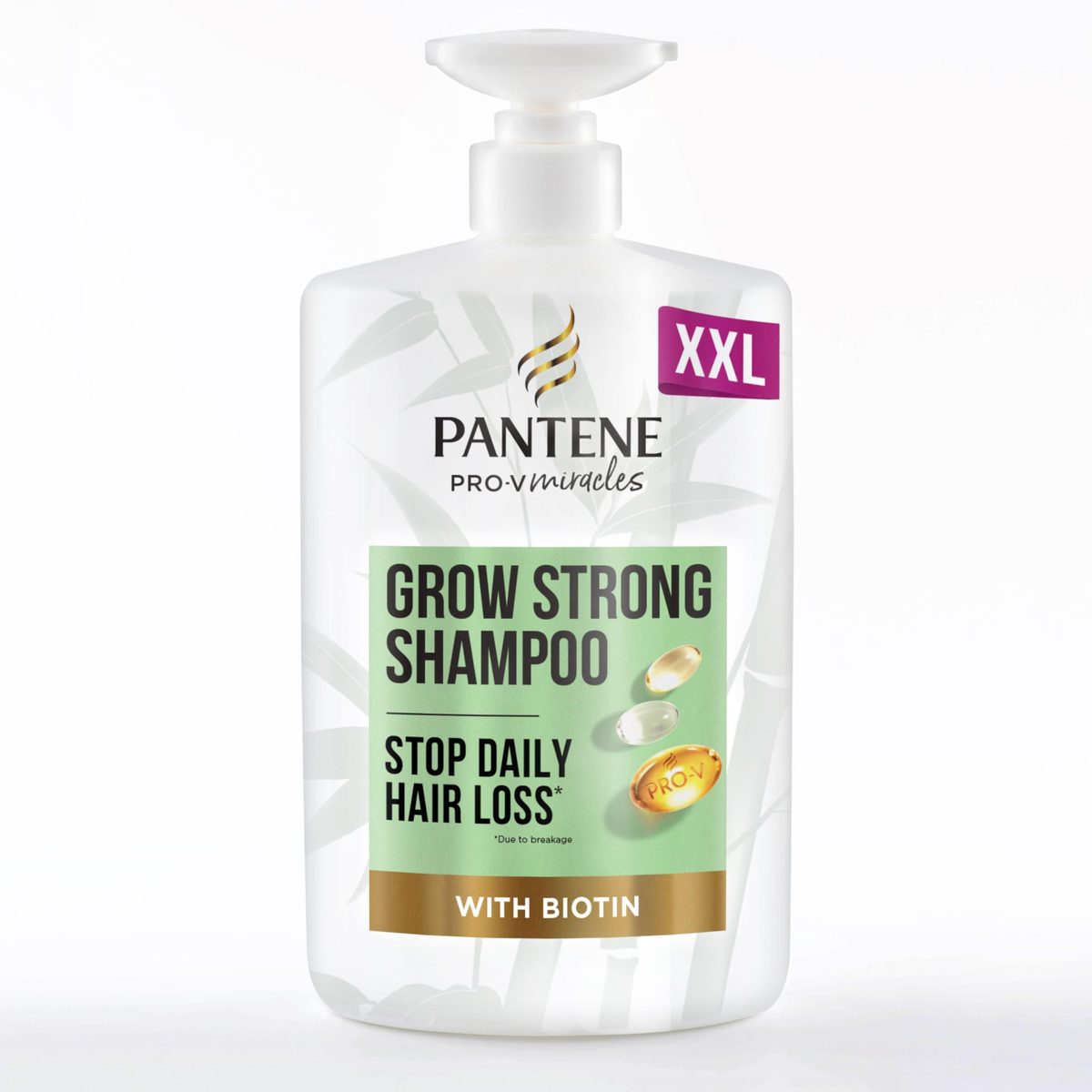
Pantene Grow Strong Shampoo with Biotin & Protein Strengthener 1L XXL Pump
A biotin and protein shampoo for stronger hair, 1L XXL pump.
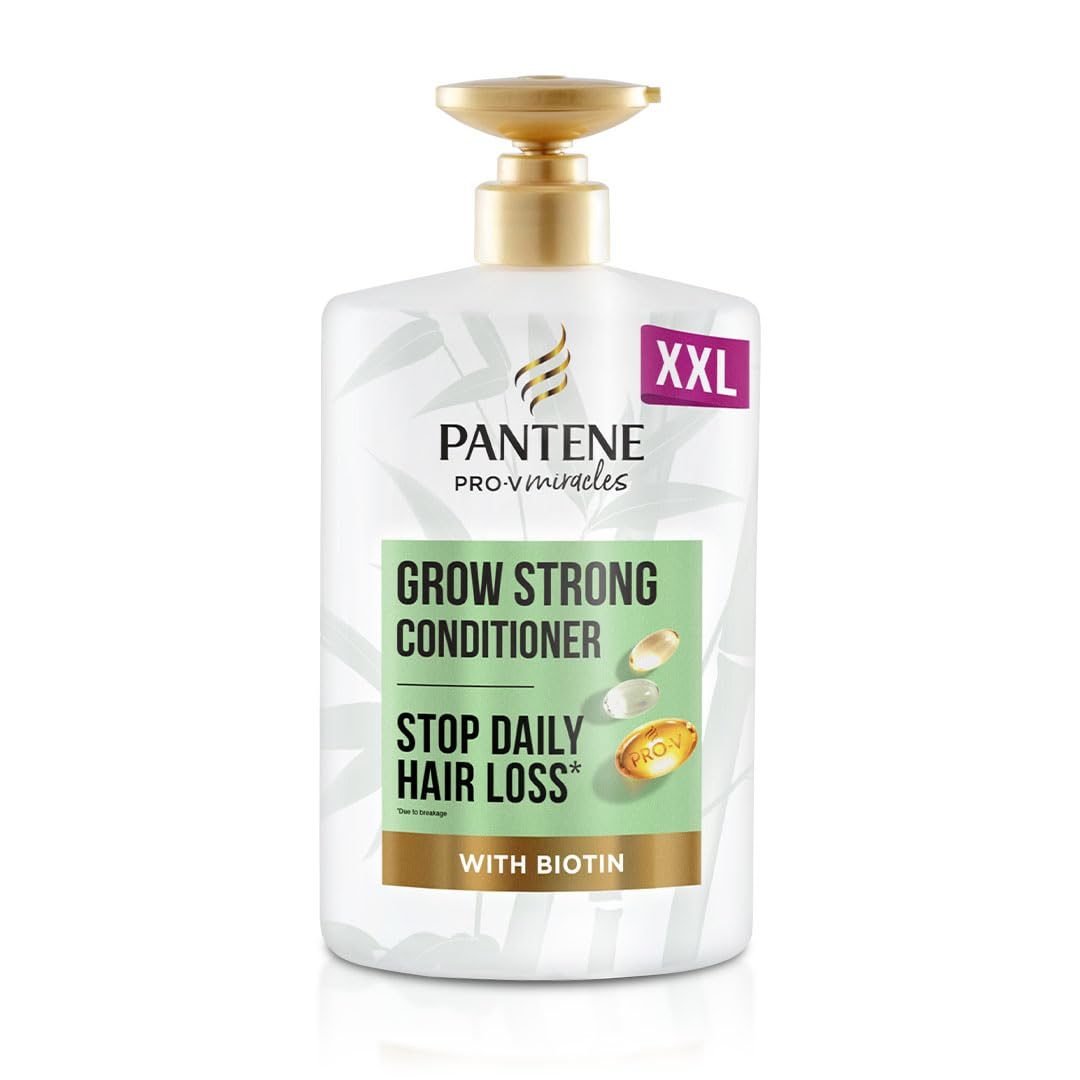
Pantene Pro-V Miracles Grow Strong Hair Conditioner with Biotin 1L XXL Pump
A biotin conditioner for stronger hair, Pro-V Miracles, 1L XXL pump.
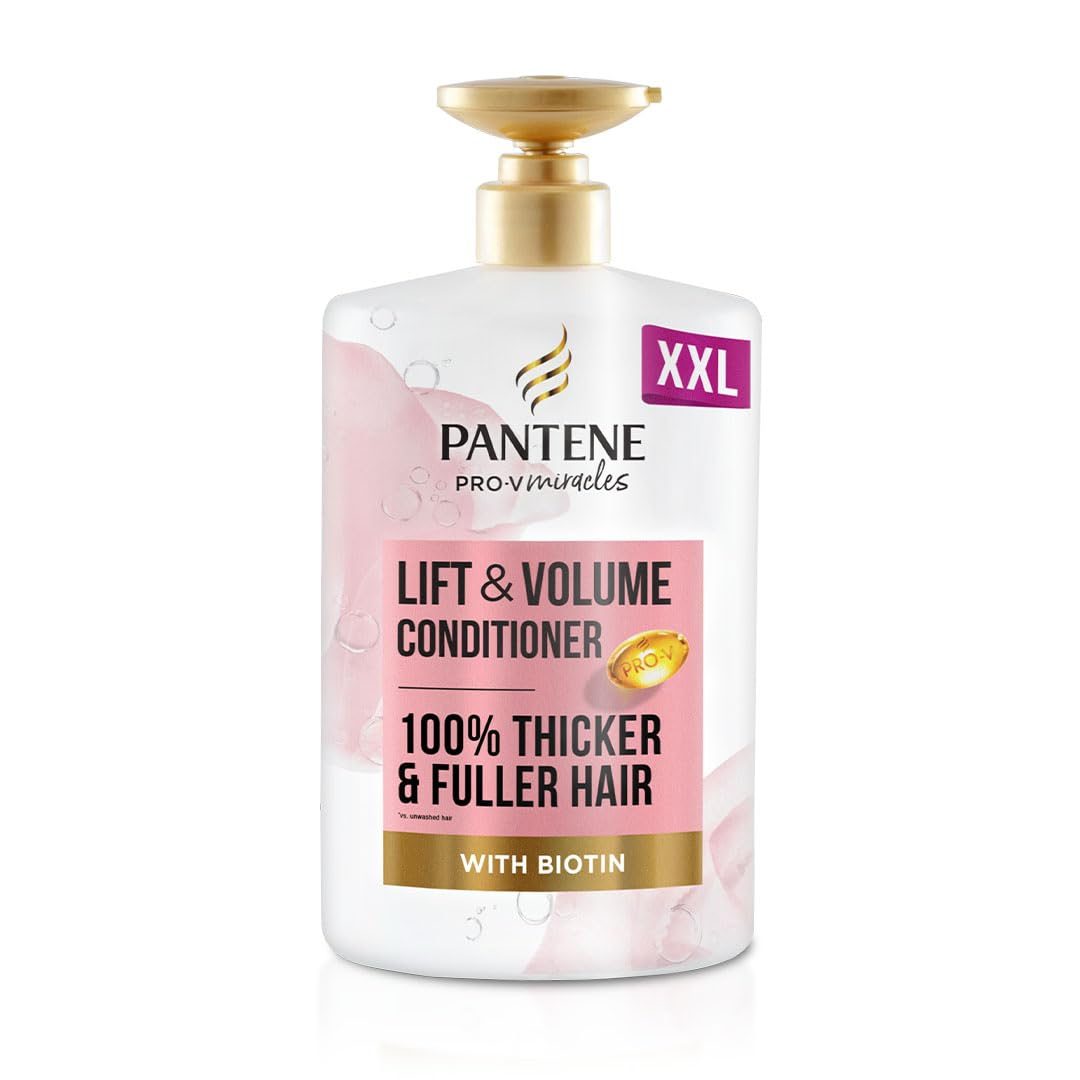
Pantene Lift'N'Volume Thickening Hair Conditioner with Biotin, 1L Pump
A volumising, thickening conditioner with biotin, 1L pump.
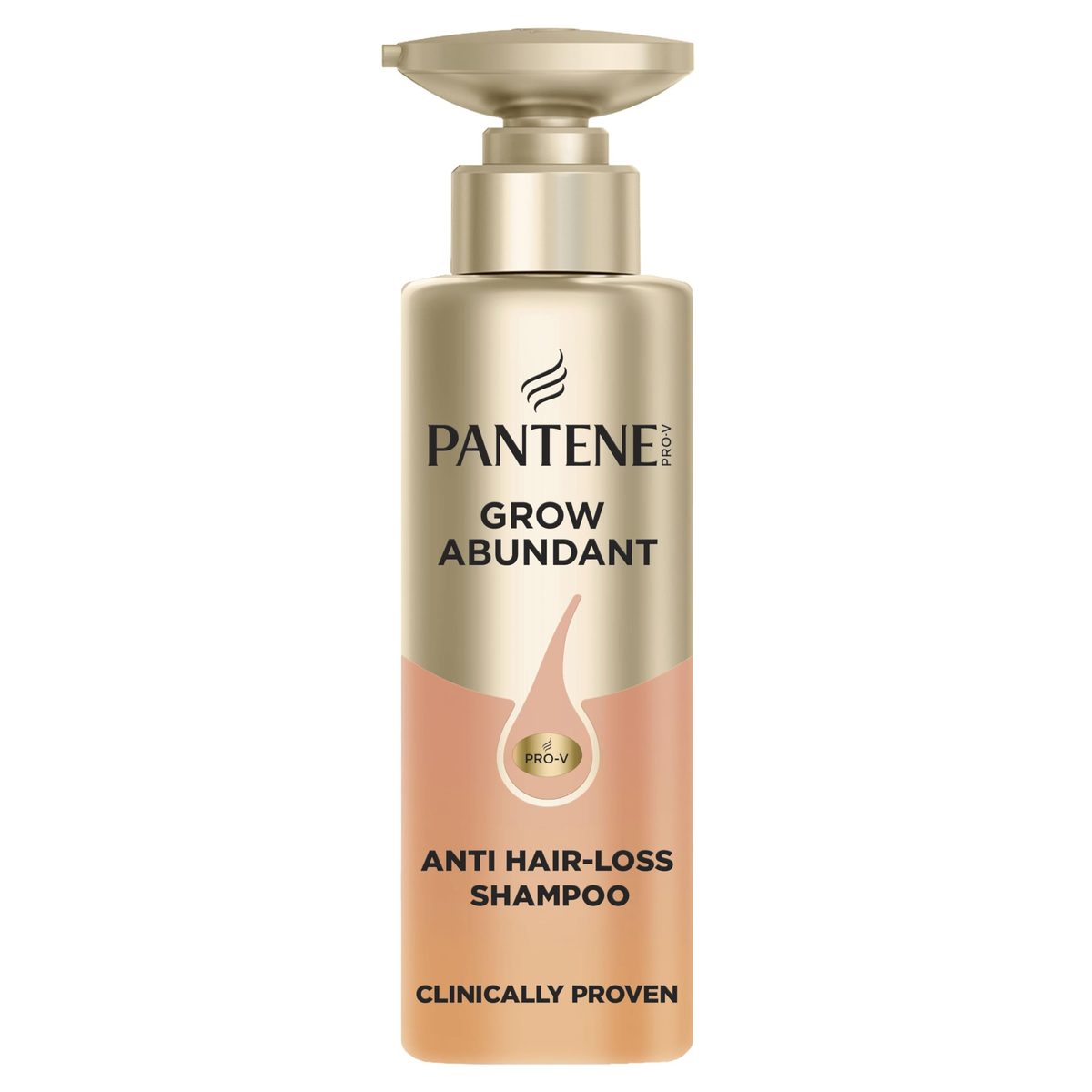
Pantene Grow Abundant Anti Hair Loss Shampoo 290ml for Longer & Denser Hair
An anti hair-loss shampoo for longer, denser hair, 290ml.
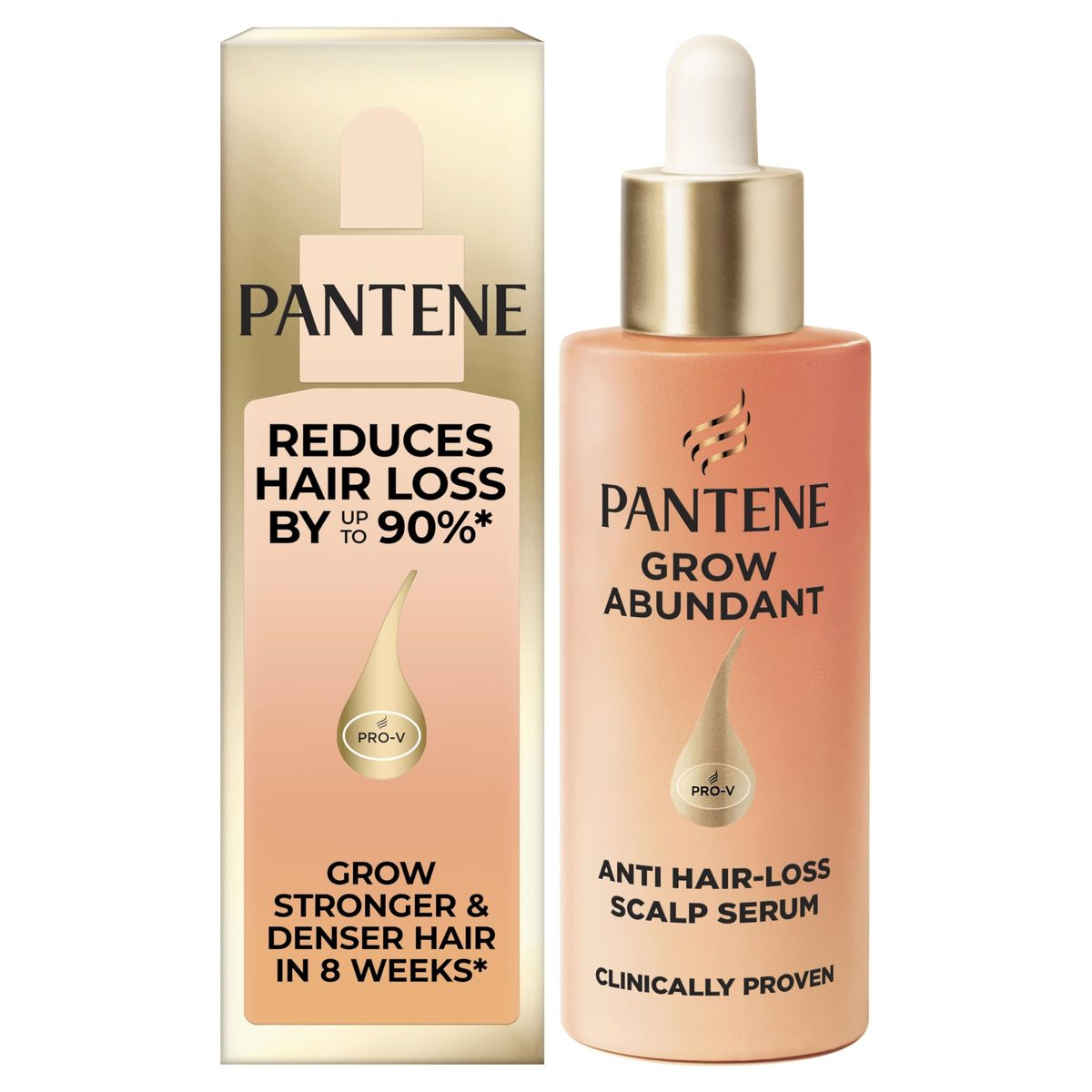
Pantene Grow Abundant Anti-Hair Loss Scalp Serum 60ml for Denser Hair
An anti hair-loss scalp serum for denser hair, 60ml.
Is Pantene actually bad for your hair? The myth, resolved
A version of this claim has circulated online for years, that Pantene's silicones damage hair or cause it to fall out. It doesn't hold up against the actual dermatological evidence. Silicones work by coating and protecting the hair shaft, a physical barrier effect, they don't penetrate the scalp or interact with hair follicles in any way that would cause hair loss.
The one genuine, minor downside: repeated use can leave a light silicone build-up, which shows up as slightly flatter or greasier-looking hair, especially on finer hair types. An occasional clarifying shampoo clears this completely, it's a cosmetic preference issue, not a safety concern.
Who owns Pantene
Pantene started life in Europe in 1945, under the Swiss pharmaceutical company Hoffmann-La Roche. Richardson-Vicks bought the brand in 1985, and Procter & Gamble acquired Richardson-Vicks that same year, bringing Pantene into the P&G portfolio ever since.
Biotin in shampoo: what the evidence actually shows
Biotin is the headline ingredient across most of this range, and it's a genuinely gentle, safe one either way. Where the honest gap sits is between the marketing around biotin hair products generally and what's actually been proven in trials.
The strongest available evidence, a placebo-controlled clinical study, found no measurable difference in hair growth between biotin and a placebo in people who don't have an existing biotin deficiency. That's a finding about the ingredient category broadly, not a claim that this specific product doesn't do anything, biotin also supports hair's general condition and feel, but if you're hoping specifically for faster growth, the clinical evidence for that particular claim is thin across the whole category.
About this page
LightningBrands is an independent, hand-curated deals site. Pantene is one of the brands we have chosen to feature; nobody at Pantene picks what appears here or pays for placement. We check each featured product's price against Amazon UK's live listing, most recently on 2 August 2026, and remove anything out of stock. Deal links are Amazon Associates affiliate links, disclosed on our Privacy and Terms pages; the commission never changes the price you pay.