Magnetic charger or general power bank? The real question first
Worth being upfront: the actual searches behind "best power bank uk" and "best power bank for travelling" show almost no magnetic or MagSafe intent at all, most people just want something that charges a phone or laptop while they're out. This site's own curated pick happens to be a magnetic one, so we're splitting this guide honestly: our pick for MagSafe/iPhone users first, then real, sourced alternatives for everyone else, not one product stretched to answer a question it doesn't quite fit.
Our pick for MagSafe/iPhone users: the Anker Zolo Magnetic 10,000mAh
Model A1684, 10,000mAh, a single USB-C port doing double duty as input and output, rated 30W wired and 7.5W wireless. Independent testing measured real delivery of 21.15W to a smartphone and 26.87W to a laptop through the wired port, genuinely fast for a compact bank, if meaningfully under its own 30W ceiling, as is normal for USB-C. The magnet works with any standard MagSafe iPhone from the 12 onward, the whole range, not only the latest models some listings imply.
The one real weak point, and it's worth going in expecting it: 7.5W wireless is on the slow side. A direct comparison test against a 15W Qi2 rival gave the Zolo 9% charge in a fixed window against 15% for the faster bank. Plug in the cable instead of using the magnet and that gap disappears, the wired path is the fast one on this unit.
Carries an 18-month warranty on this specific model. And a fact worth stating plainly since Anker did have a real recall in 2025: we checked this exact model, A1684, directly against Anker's own recall notice, and it is not one of the 5 models named.
Today's deals
4 Anker deals live right now
The Zolo Magnetic power bank plus the rest of Anker's range this site curates. Prices checked 2 August 2026. Tap any deal to view it on Amazon.
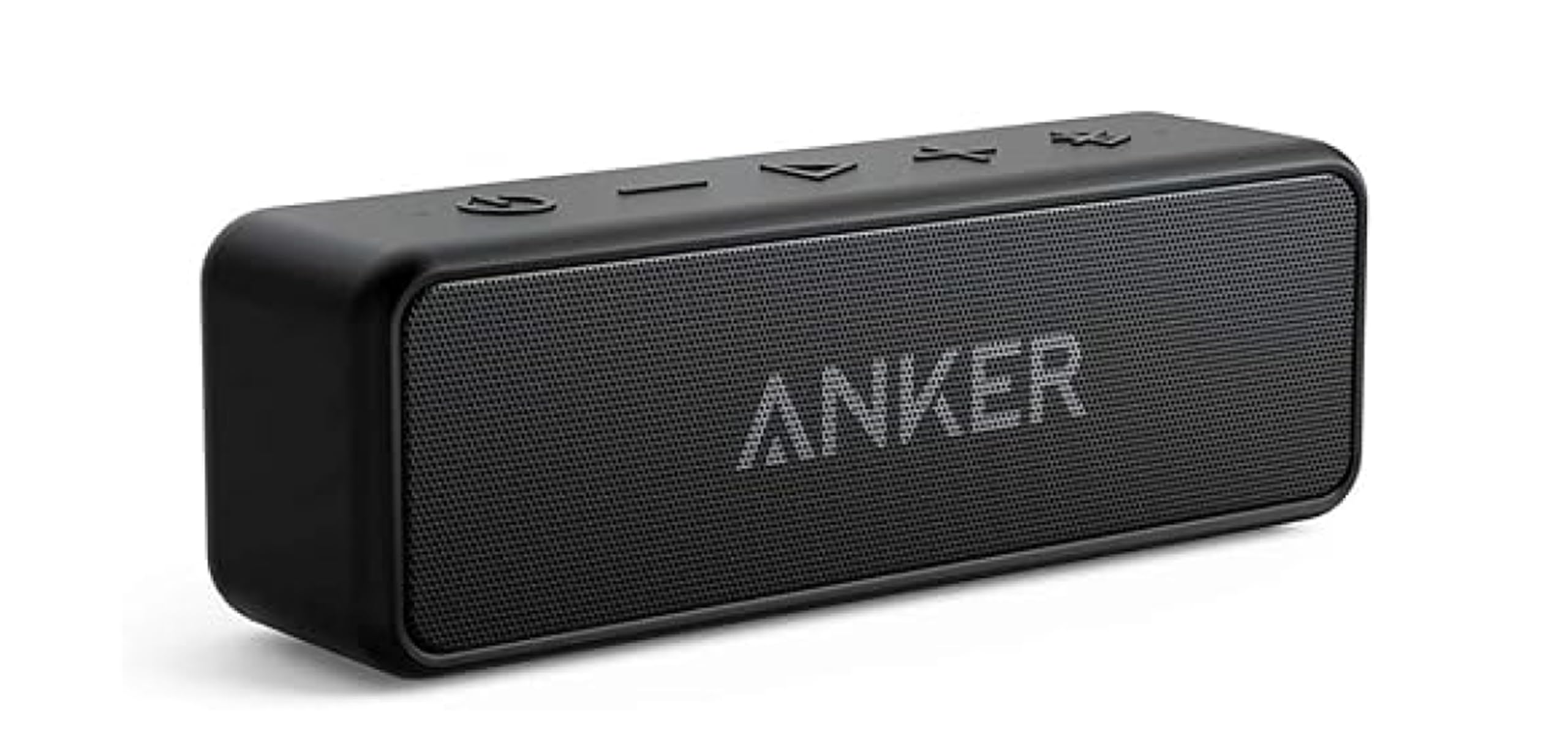
Anker soundcore 2 Portable Bluetooth Speaker with 12W Stereo Sound
A portable Bluetooth speaker with 12W stereo sound and BassUp.
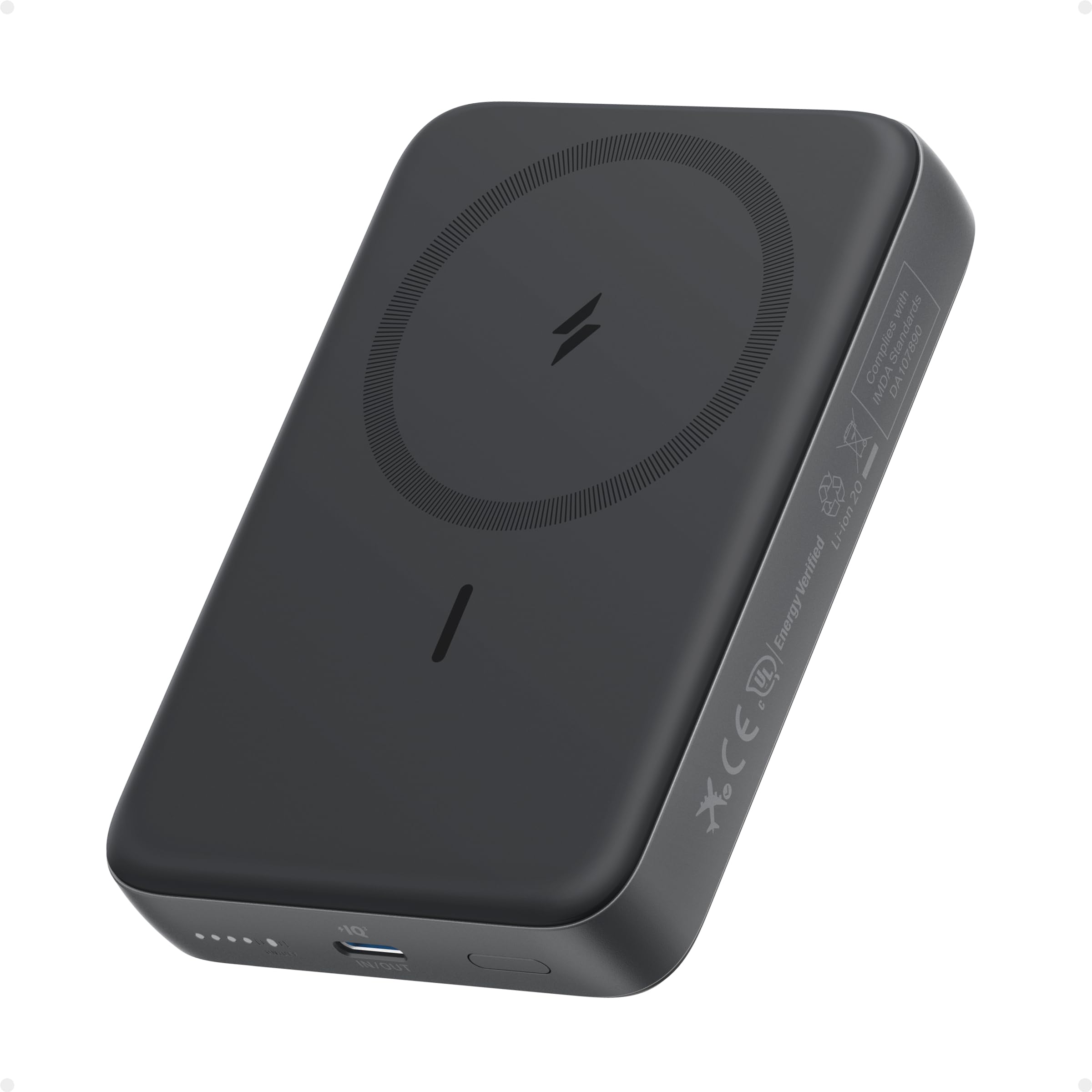
Anker Zolo Magnetic Power Bank,10,000mAh Magsafe Portable Charger
A magnetic 10,000mAh power bank that snaps onto MagSafe phones.
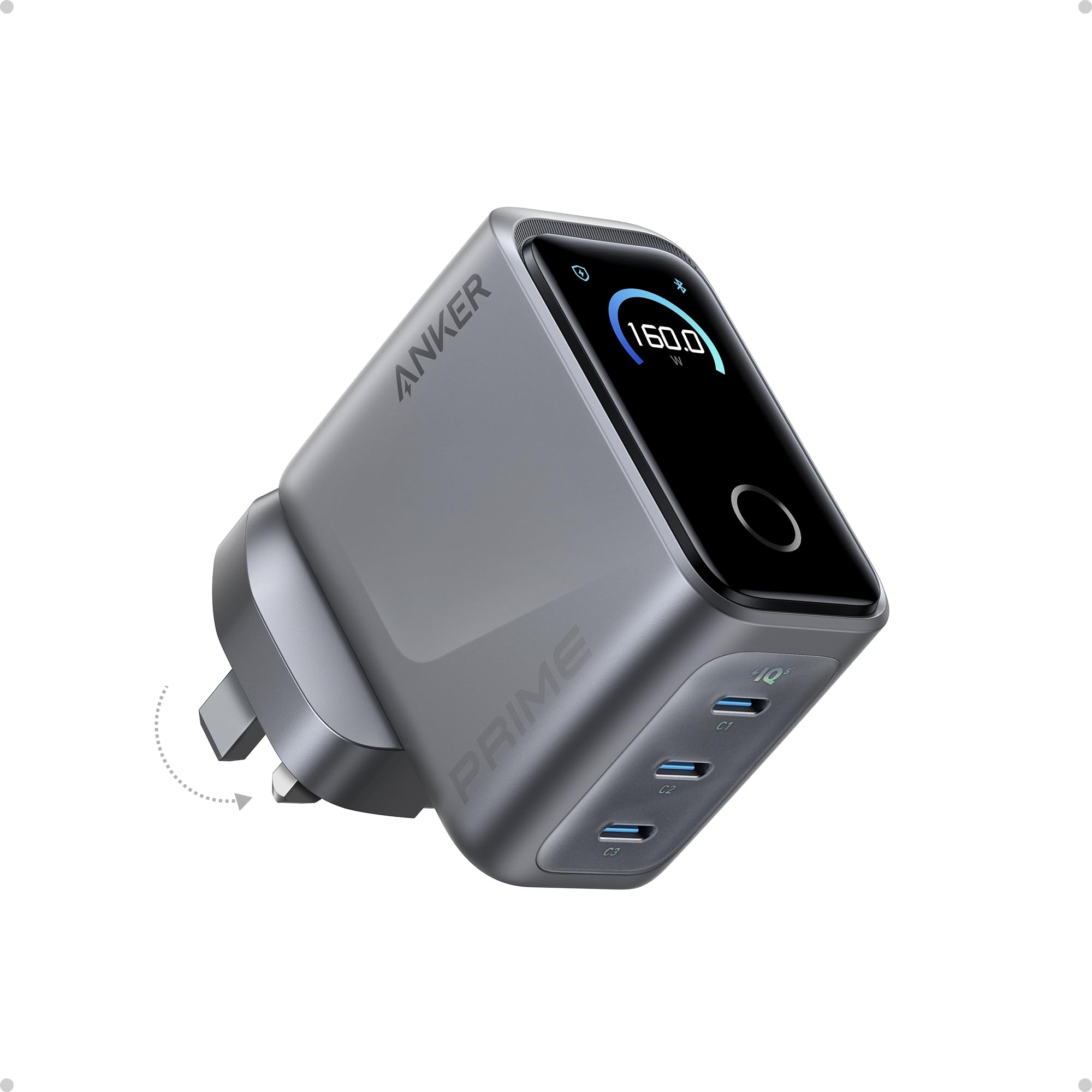
Anker Prime 160W USB C Charger, 3-Port GaN, Smart Display, Touch Control
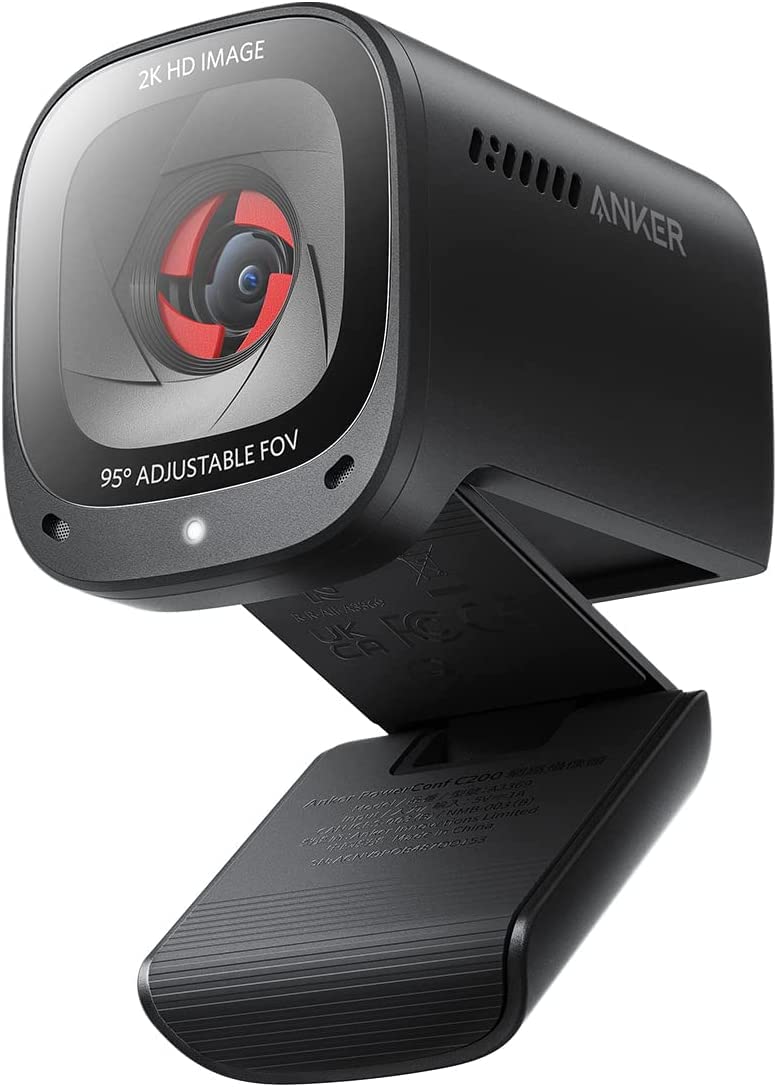
Anker PowerConf C200 2K Webcam for PC, Computer Camera with AI-Noise Canceling Microphones, Stereo Mics, Adjustable Field of View, Low-Light Correction, Built-In Privacy Cover
A 2K webcam with AI noise-cancelling microphones for clearer calls.
Not seeing what you're after? Browse the official Anker store on Amazon for its full range.
Visit the Anker storeIf you don't want a magnetic charger
Worth saying plainly: none of the following are curated or price-checked on this site. Independent UK reviewers (Expert Reviews, the Telegraph, the Guardian) converge on general power banks from Belkin, Ugreen and Anker's own non-magnetic ranges as the real top picks for most phone and laptop travel charging, not magnetic chargers at all.
Belkin's BoostCharge Pro 20K (20,000mAh, 65W, 2 USB-C + 1 USB-A, around £60-80) is a repeat pick for handling both phones and laptops. Anker's own Nano range, a different, non-magnetic Anker line to the one this site sells, turns up independently on two separate reviewers' lists (10,000mAh, 30-45W, £35-55), genuine evidence Anker's wider catalogue is well-regarded beyond the one product featured here. Ugreen's Nexode range (20,000-25,000mAh, up to 145W, roughly £50-100) is the repeat pick for fast-charging a laptop and phone from the same bank.
If budget is the priority, Cuktech's 10 Mini (10,000mAh, 55W, around £25) turns up as a genuine value pick alongside the bigger names.
What a power bank actually delivers, and is 20,000mAh overkill?
The mAh figure on the box is never what reaches your phone. A 10,000mAh cell runs at 3.7V internally, and stepping that up to USB's 5V output loses roughly a quarter of the capacity on the voltage conversion alone, before the boost-converter circuit's own 85-90% efficiency and cable losses are even counted. Net result: a genuine 10,000mAh bank delivers around 6,000-6,500mAh to your phone, not 10,000, roughly 1.5 charges.
"Just double it for a 20K bank" is the common assumption, and it doesn't reliably hold. One independent test measured a 20,000mAh bank delivering closer to 2.7 real phone charges rather than the expected 4, because efficiency drops further as the current draw rises, not a fixed percentage regardless of load. A UK reviewer's verdict on a high-output 20,000mAh Anker bank was blunt about it: "overkill for many," better suited to someone charging a laptop or several devices than a single phone.
The size trade-off is real too: a genuine 10,000mAh bank typically weighs 180-220g, while a genuine 20,000mAh one runs 300-630g depending on features, not a clean doubling since the bigger bank usually adds a beefier charging circuit as well as more cells. Go bigger only if you're actually charging more than one phone.
Magnetic charging: the wattage trap, and the wider market
Apple's own documentation caps generic Qi-based wireless charging at 7.5W on iPhone; only certified MagSafe or Qi2 chargers reach 15W. The genuine gotcha: badge and spec sheet don't always agree. One real Qi2-branded power bank on the market states "up to 15W" generally but its own spec sheet caps it at 7.5W specifically in power-bank mode, the exact distinction the badge alone won't tell you. Always check the wireless wattage for the mode you'll actually use.
Anker itself sells both tiers under different lines: the Zolo Magnetic on this page at 7.5W, and its own MagGo Power Bank, Qi2-certified at 15W, at a higher price. The brand isn't the differentiator, the specific model is. Belkin, ESR and Mophie all sell genuine Qi2-certified 15W magnetic banks too, real market context, not sold here.
Apple discontinued its own original MagSafe Battery Pack in 2023 when iPhone moved to USB-C, then brought a new one back in 2025, but it only fits the iPhone Air, its shape clashes with the camera on every other current iPhone. For any other iPhone, Apple has no official magnetic pack, which is the gap third-party options fill. Wireless charging generally is also just less efficient than plugging in, roughly 60-80% against 85-95% for a wired connection, which is part of why the wired path on the Zolo is the fast one.
Taking a power bank on a plane: the real Wh rules
The UK CAA and IATA agree directly: under 100Wh needs no approval, 100 to 160Wh needs airline approval, and anything over 160Wh is banned outright from passenger flights. Every airline checked, British Airways, easyJet, Ryanair and Jet2, is unanimous on one point regardless of Wh: power banks go in carry-on only, never checked baggage, and if your cabin bag gets gate-checked, you take the power bank out and carry it yourself.
Working it out yourself: Wh equals voltage times amp-hours. Power banks run at a nominal 3.7V, so a 10,000mAh bank is about 37Wh and a 20,000mAh one about 74Wh, both comfortably under the 100Wh no-approval limit. You'd need roughly a 27,000mAh bank before hitting the tier that needs airline sign-off.
Ryanair is a genuine outlier worth knowing before you fly: it caps power banks at 100Wh flat, with no approval route up to 160Wh the way British Airways, easyJet and Jet2 all offer. If your bank is in that middle band, it's worth checking your specific airline's policy rather than assuming the general rule applies everywhere.
Battery care: getting the most life out of it
The same lithium-ion science behind Anker's own cycle-life guidance (300-500 full charges, 2-3 years of regular use) has real data behind the storage advice too: one lab measured 96% of original capacity retained after a year stored at a partial charge in normal temperatures, against only 80% at a full charge in the same conditions, and just 60% after 3 months at a full charge left somewhere genuinely hot. Don't leave a power bank charging to 100% in a hot car or on a sun-facing dashboard.
Fast charging does generate more heat, and heat is the main driver of long-term degradation, though how much depends on the specific cells inside, not every power bank degrades at the same rate under the same use. The mechanism behind a fire risk like Anker's 2025 recall, in general terms rather than that specific case: a damaged or contaminated cell can develop an internal short circuit, which generates rapid heat and is what causes swelling or, in the worst case, fire.
About this page
LightningBrands curates and price-checks Anker's range, including the Zolo Magnetic power bank on this page. We don't sell, stock or price-check any of the other brands named above, so their specs are included as honest market context only, sourced from each brand's own site or a named independent reviewer, never dressed up as our own deal or given a price we haven't verified live.