Our pick: the Shark PowerPro IZ381UK
Amazon's own listing states up to 50 minutes runtime, Anti Hair Wrap to keep the brush roll clear, and Floor Detect, which reads the floor type underneath and adjusts suction automatically between carpet and hard floor. The 381 in the model code specifically means it carries Reveal, a light on the floorhead that shows up hidden dust, over the plainer IZ380UK; see this site's Shark deals page for the full model-code system if you're comparing Shark units elsewhere.
It's the only cordless STICK vacuum this site curates. Our other two Shark picks (the WandVac Deluxe and the CH901UK) and our one Vax pick (the HandVac Pro) are all handhelds, covered in their own section below rather than lumped in as stick-vacuum rivals.
Today's deals
4 cordless vacuums live right now
The PowerPro stick vacuum plus every cordless handheld this site curates from Shark and Vax. Prices checked 2 August 2026. Tap any deal to view it on Amazon.
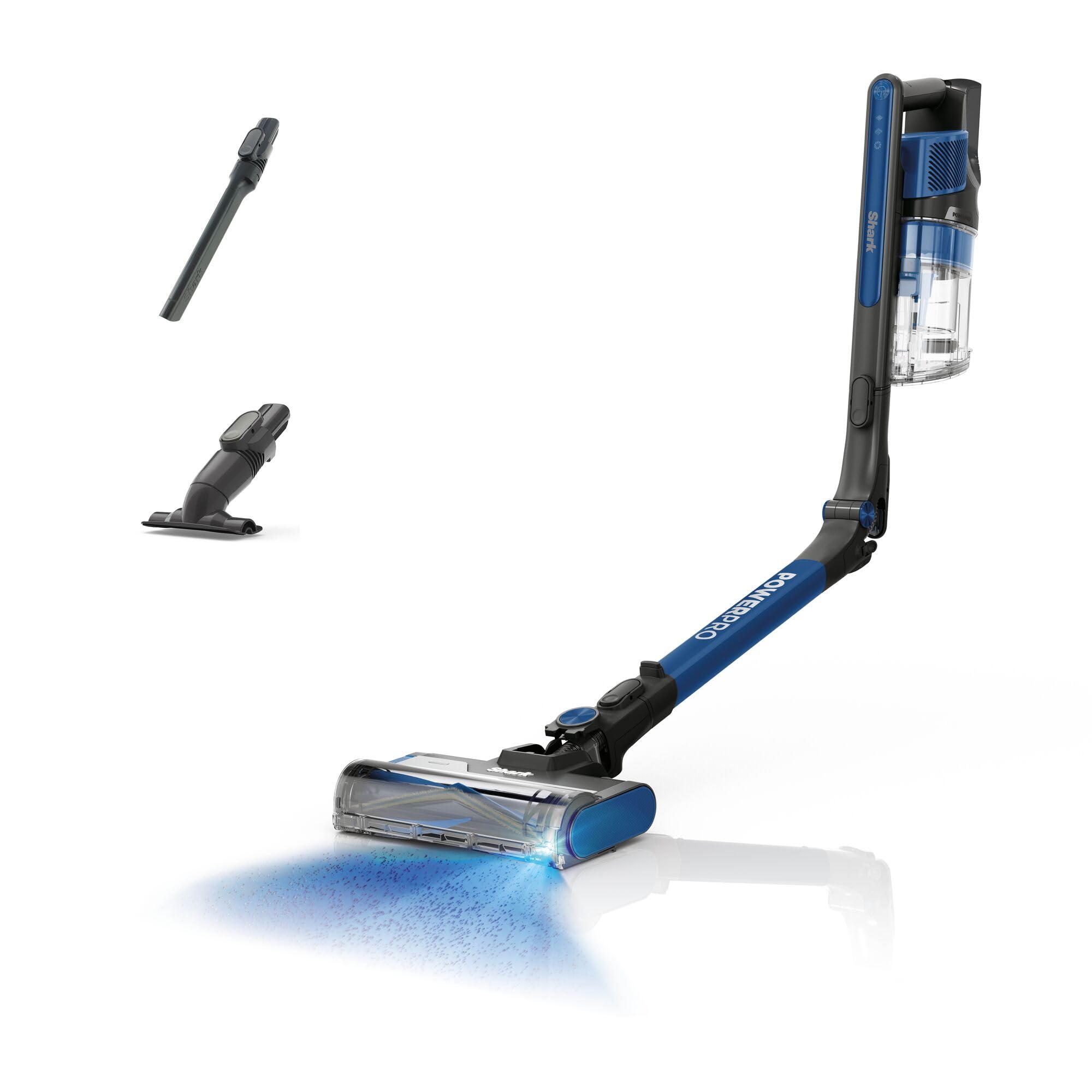
Shark PowerPro Cordless Stick Vacuum, Multi-Surface Cleaning, IZ381UK
A cordless stick vacuum for multi-surface cleaning, with Reveal technology and anti hair wrap.
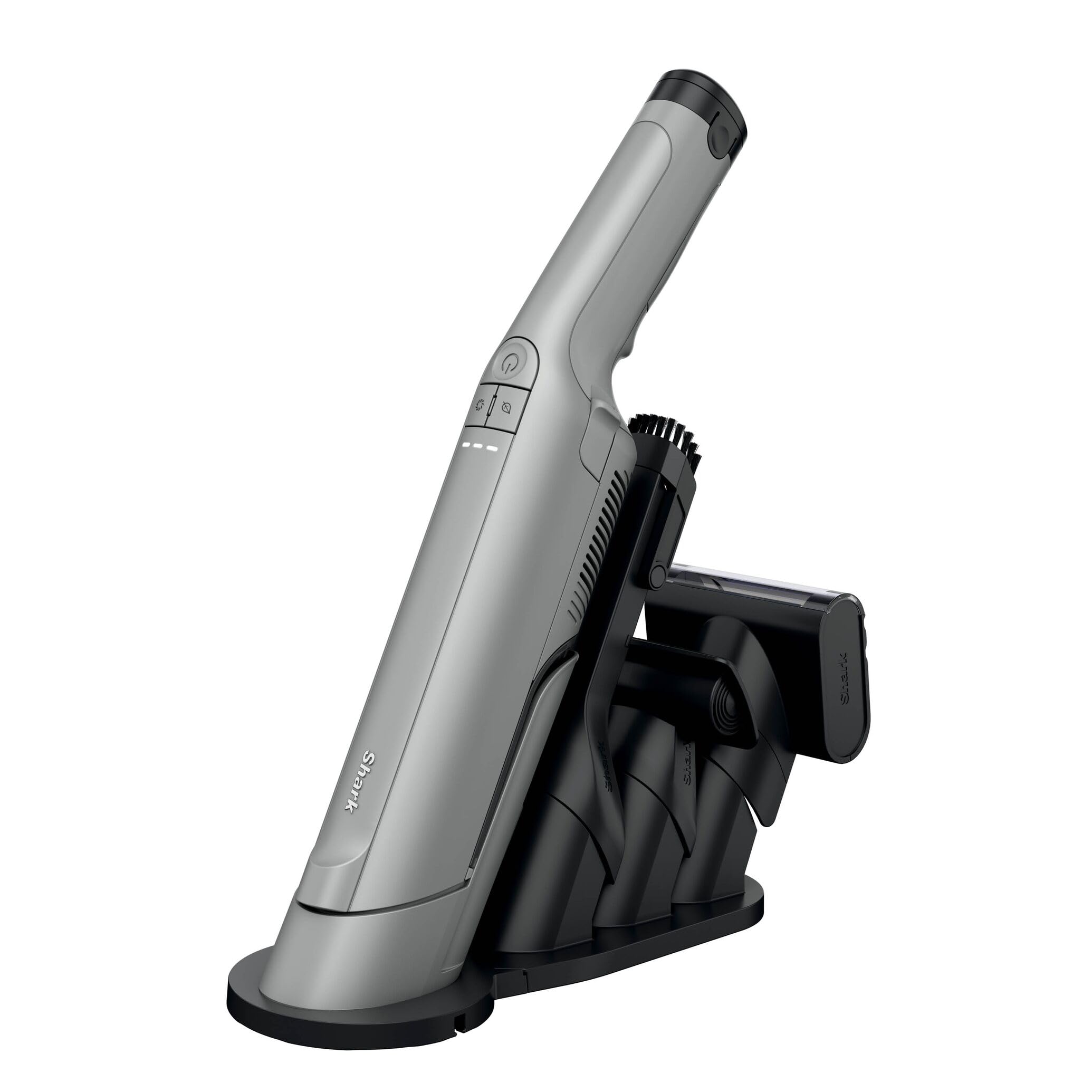
Shark WandVac Deluxe Pet Pro Powerful Cordless Handheld Vacuum, WV501UK
A powerful cordless handheld vacuum from Shark's WandVac Deluxe Pet Pro range.
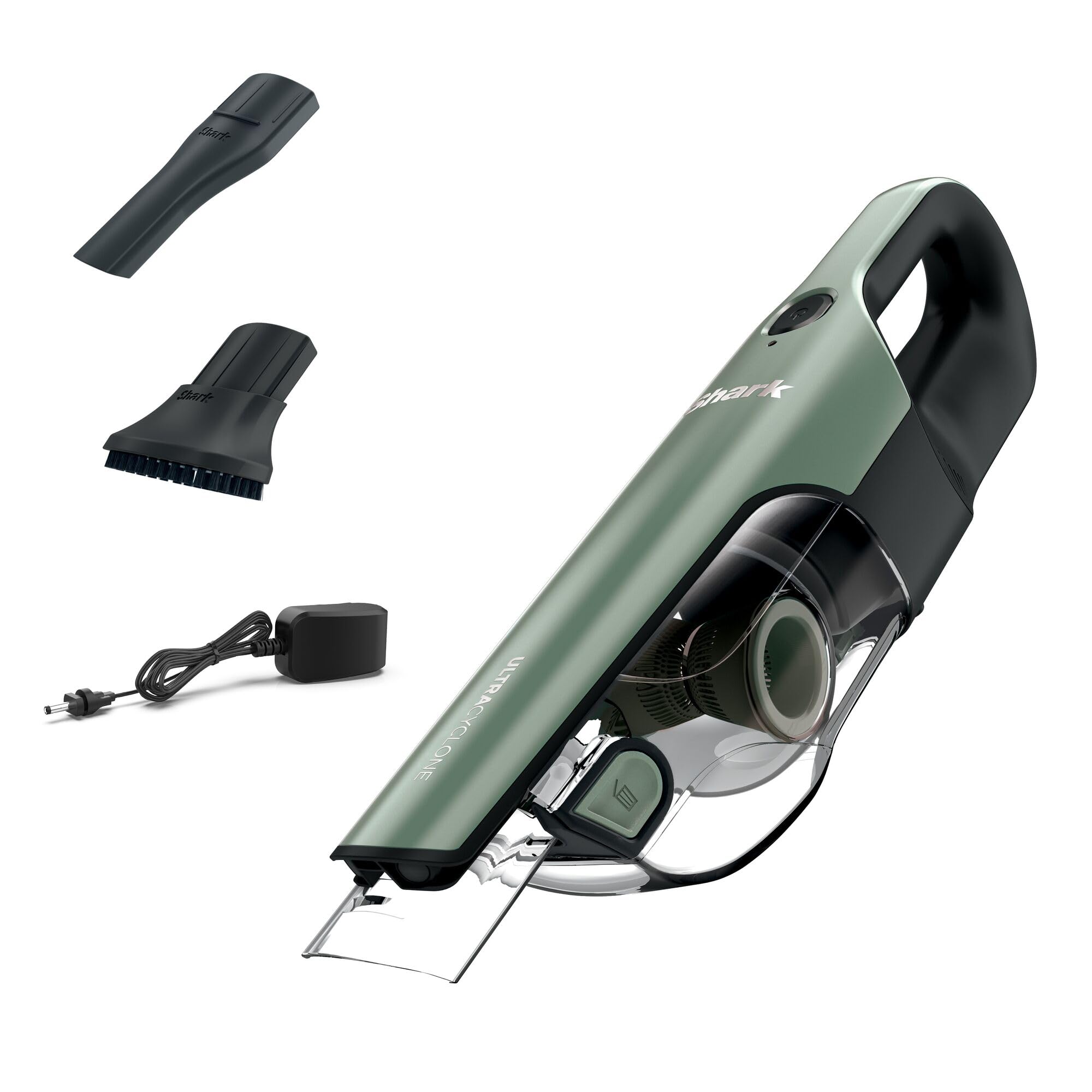
Shark Handheld Cordless Vacuum Cleaner, Washable Filter, Teal, CH901UK
A handheld cordless vacuum with a washable filter, for quick spot cleaning.
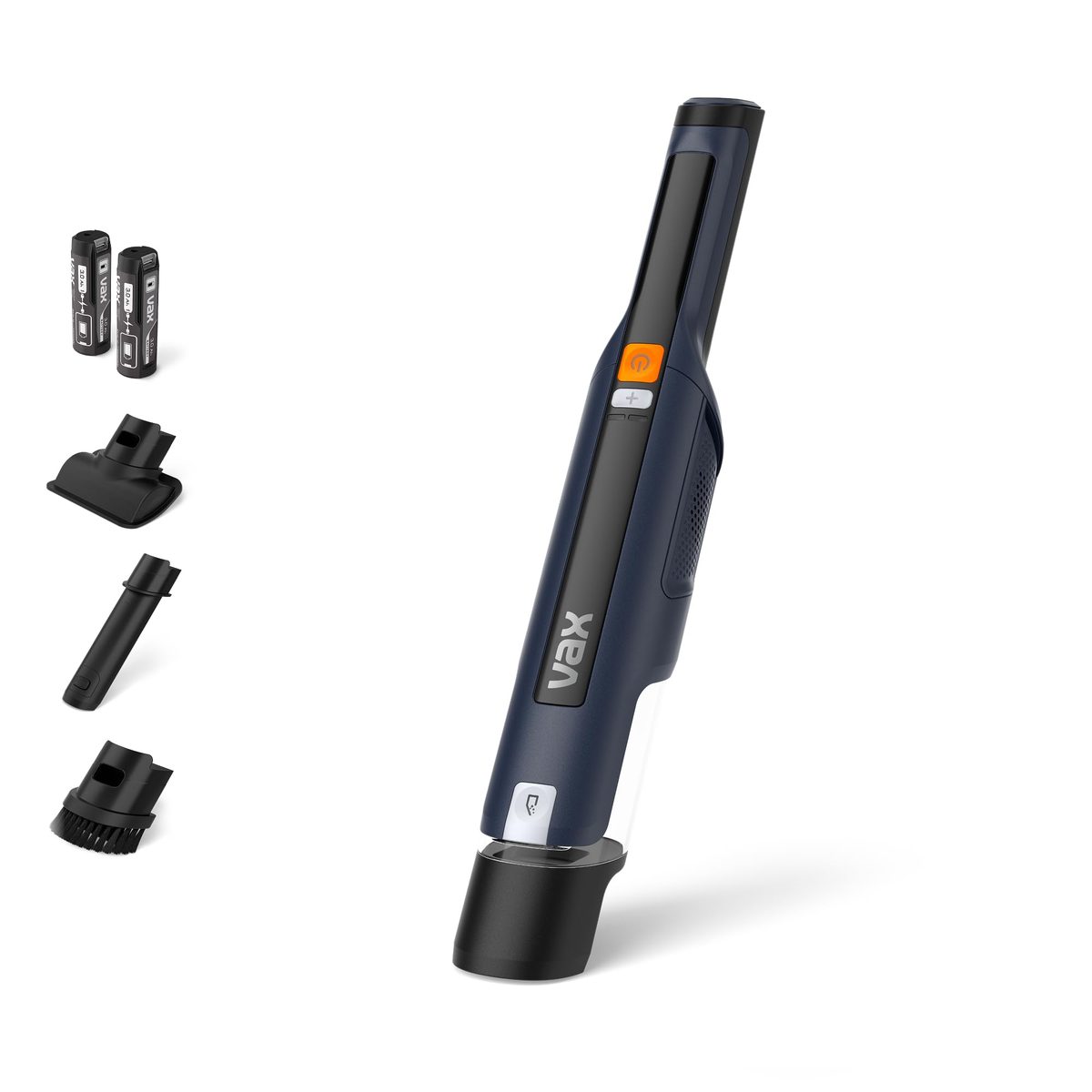
Vax HandVac Pro Handheld Cordless Vacuum Cleaner, Portable & Lightweight Hand Hoover for Carpets, Cars, Stairs & Pet Hair, Crevice & Upholstery Tools, Navy Blue, 0.15L, 0.65kg (CLHH-PHKA)
A lightweight handheld cordless vacuum for carpets, cars, stairs and pet hair, with crevice tools.
Not seeing what you're after? Browse the official Shark or Vax store on Amazon for either brand's full range.
Real runtime vs the marketing claim
Every "up to X minutes" figure on a cordless vacuum box is a best case, and Which?'s own testing explains why by the numbers: its tested category average is 60 minutes on minimum power on a hard floor, dropping to just 17 minutes on maximum power on carpet. Which? also found that cleaning an average UK home properly takes around 42.5 minutes at real working power, longer than most cordless vacuums' max-power runtime lasts.
The Shark PowerPro line follows that same pattern closely. Which?'s own published spec data for the IZ380UK (the PowerPro's non-Reveal sibling, same core engineering as the IZ381UK on this page) shows 35 minutes on minimum power and 15 minutes on maximum power, against Shark's own 50-minute Eco-mode marketing claim. Trusted Reviews independently tested the closely related PowerPro Pet and measured 17 minutes 35 seconds on Eco mode cleaning carpet specifically, calling it "not bad, but near-on ten minutes worse" than a premium machine with more headroom, and suggesting a spare battery for anything beyond a single floor.
It isn't a Shark-specific shortfall. A Miele Triflex HX1, independently tested with its motorised head fitted, measured 16 to 30 minutes against a 60-minute claim depending on power setting; a Bissell PowerClean DualBrush, claimed at 50 minutes, measured around 13 minutes on max power. Read any cordless vacuum's headline runtime as the ceiling on a bare hard floor at the lowest setting, not what you'll get cleaning a carpeted room properly.
Is Shark as good as Dyson, and why is it so much cheaper?
Trusted Reviews put this to a direct test: a Dyson at 401 Air Watts and £749.99 against a Shark at 322 Air Watts and £499.99, and called the suction gap "arguably negligible", with dust pickup measured at 99.8% for the Dyson against 99.1% for the Shark. Which?'s own testing across both ranges doesn't crown either brand outright, it finds strong and weak models within each; the one figure Which? does state plainly is that Shark runs nearly £200 cheaper than Dyson on average.
Part of why a genuinely similar bagless cyclone machine can exist at that price gap is commonly explained by patent timing: Dyson's foundational cyclone concept dates to filings from the early 1990s, and patents generally run around 20 years, so the core bagless-cyclone idea is widely reported to have cleared patent protection by the early-2010s. That's the general shape of the story rather than one exact patent tied to one exact date we can point to. What is properly documented: Dyson sued SharkNinja in the US in May 2024 over newer, specific cyclone-related features, not that original concept, and both sides settled in December 2024 on confidential terms.
Where Dyson still spends is newer proprietary tech, laser dust illumination and real-time particle-count screens on its top models, which is part of what the premium buys. Gtech, a UK-founded budget challenger, sits at the other end: Which? puts its average price at £262 against Dyson's £582 average, with a lighter, simpler design that trades some quietness for the lower cost, covered in the noise comparison below.
Noise, suction and filtration, compared
None of the other brands below are curated or price-checked on this site. Every figure is from an independent reviewer's own published test (mostly Trusted Reviews, using a consistent methodology across models), not a manufacturer's marketing sheet.
| Model | Suction (Air Watts) | Noise | Bin capacity |
|---|---|---|---|
| Shark PowerPro Pet (our pick's line) | 50 (Eco) / 177 (Boost) | 69.5-70.4dB | 0.7L |
| Dyson V8 Absolute | Not published | ~75-83dB | 0.54L |
| Dyson V11 Absolute | 54-259 (Eco-Boost) | 65.8-81.2dB | Not published |
| Dyson Gen5detect | 30-369 (Eco-Boost) | 68-75.3dB | 0.77L |
| Miele Triflex HX2 Pro | 40-145 (min-max) | 67.3-71.2dB | 0.5L |
| Gtech AirRam 3 | Not measurable (no handle) | 71-72dB, one outlet measured 101dB | 0.8L |
| Vax ONEPWR Blade 4 (not curated here) | 24-136 (low-high) | 78.8-83.1dB | 0.6L |
The Gtech figure is a genuine, unresolved disagreement rather than a typo: Trusted Reviews measured 72.4dB and TechRadar 71.3dB, but Homes & Gardens measured the same machine at 101dB on a hard floor. Different test conditions can produce very different numbers on the same model, which is exactly why a single manufacturer-quoted figure is worth treating with caution.
On filtration, every brand above markets its own sealed or HEPA-style system (Shark's "Anti-Allergen Complete Seal", Dyson's HEPA claims on some models, Miele's washable filter), but none of the reviews checked publish an independently verified percentage particle-capture figure. Dyson's own marketing states 99.99% capture at 0.1 microns for its Gen5 range; we couldn't independently verify that figure ourselves, so treat it as the manufacturer's claim rather than a tested result.
Cordless vacuum battery life: degradation and real replacement cost
Both major brands guarantee the battery for a shorter period than the machine itself. Shark's registered guarantee can extend the machine to 5 years, but its battery cover stays at 2 years regardless. Dyson's standard guarantee covers both machine and battery for 2 years. Real-world reports back that 2-year window up as a genuine planning figure: a MoneySavingExpert forum thread describes a Dyson V8 battery failing at 25 months, just a month past its cover.
On real UK replacement cost: a genuine Shark spare battery pack for its cordless range runs about £80 direct from Shark's own site. For Dyson, a genuine V11 battery has sold refurbished for £34.99 through a UK vacuum-parts retailer, against forum reports putting Dyson's own official price at roughly £70, with third-party alternatives on eBay ranging £25-£65. Neither figure is a small cost relative to buying a new budget machine outright, worth factoring in before assuming a cordless vacuum's real lifetime cost is just its sticker price.
Dyson's own care guidance for extending battery life: let the machine cool before redocking to charge, store it between 18-28°C, and run the battery down roughly once a month rather than always topping up from a partial charge. Newer Dyson models include a battery care mode that caps charging at 75% specifically to slow long-term degradation.
Bagless emptying: the mess nobody puts on the box
It's a real complaint, though not a universal one. A Mumsnet thread on the subject has one poster describing a dust cloud that "never all drops out" of their machine, needing a shake and a hair-pull to properly clear, and a second poster with asthma reporting the same even emptying outside over a bin liner. Other posters on the same thread say their own (usually newer) machine barely dusts at all when emptied, so it genuinely depends on the specific bin design, not something every bagless vacuum does equally badly.
Independent reviews of the standard Shark PowerPro's push-button bin describe it as easy and largely mess-free; Shark's newer self-emptying "Clean & Empty" system reduces how often you're exposed to it, but even that isn't a total fix, one review of it still describes "a little messy" with "a slight dust plume" at the roughly 45-day full-bin swap. Allergy UK's own guidance is to wear a face mask and gloves when emptying a bagless machine if you have allergies, and Which? separately recommends bagged models, good filters, or a self-emptying design specifically for allergy sufferers.
Real, practical mitigations, sourced to Shark's own care guidance: empty with doors and windows closed and fans or air-con off to kill draughts, empty into a bin liner or bag rather than an open bin, do it outside where you can, and don't let the bin overfill past its max line before emptying it.
The wider cordless vacuum market
For context beyond what this site sells: real current UK prices for the other names that come up in this search, checked 2 August 2026. None of these are curated, sold or linked here.
| Model | UK price | Claimed runtime | Battery platform |
|---|---|---|---|
| Shark PowerPro IZ381UK (our pick) | £169.99 | Up to 50 min | Single-brand Shark |
| Dyson V8 | £249.99-£349.99 | Up to 40 min | Single-brand Dyson |
| Dyson Gen5detect | £749.99-£849.99 | Up to 70 min (Eco) | Single-brand Dyson |
| Gtech AirRam 3 | £254.99-£399.99 | Up to 30 min | Sealed, non-swappable |
| Miele Triflex HX2 Pro | £649.00 | Up to 120 min (2 batteries) | Single-brand Miele |
| Vax ONEPWR Blade 4 (not curated here) | £139.99-£329.99 | Up to 90 min (2 batteries) | Single-brand Vax, own range only |
| Bosch Unlimited 7 | £229.00-£249.99 | Up to 40 min | Power for All Alliance (cross-brand) |
The battery platform column is the genuinely useful column. Every model above locks you into that brand's own battery, except Bosch's Unlimited range, which runs on the Power for All Alliance, a real cross-brand 18V pack also used by Gardena, Gloria, Wagner and Rapid tools. Vax's own ONEPWR pack (not curated here, distinct from the HandVac Pro handheld this site does sell) is cross-compatible across Vax's own cordless vacuum and garden-tool range only, not other brands.
Cordless stick vs handheld: what our Vax pick is actually for
Worth stating plainly rather than glossing over: this site's Vax cordless pick, the HandVac Pro, is a handheld, not a stick vacuum. Per Vax's own spec sheet it runs up to 20 minutes in standard mode or 13 minutes on boost, ships with 2 batteries and a 2-hour charge time, and is built for quick jobs, cars, stairs and pet hair rather than a whole-home clean. Our own Vax brand page already says so directly: on cordless stick vacuums specifically, independent testing has generally put Shark's runtime ahead of Vax's equivalent, which is exactly why Vax's roster here is a handheld rather than a stick vacuum.
Shark covers the same handheld/quick-job intent with two picks of its own: the WandVac Deluxe Pet Pro (a premium handheld with pet-hair tooling) and the CH901UK, a simpler, cheaper handheld with a washable filter. If what you actually need is a cordless car vacuum or something for stairs and upholstery, any of these three handhelds fits that job better than a full stick vacuum would, and at a lower price than the PowerPro besides.
Which one for your home
For a genuine whole-home clean, carpet and hard floor, the Shark PowerPro on this page is a real, curated fit, with the caveat that its realistic per-charge runtime is closer to 15-35 minutes at real cleaning power than the 50-minute headline figure.
For quick jobs, a car or stairs, any of the three handhelds on this page (Vax HandVac Pro, Shark WandVac Deluxe, Shark CH901UK) is the better and cheaper fit than a full stick vacuum, the CH901UK the cheapest way in of the three.
For a large, multi-room home where a single charge genuinely needs to stretch further, the wider market has options built for that specifically, most notably the Miele Triflex HX2 Pro's dual-battery setup rated up to 120 minutes, though at a real £649 price this site doesn't sell or discount.
About this page
LightningBrands curates and price-checks Shark's and Vax's ranges, including every cordless vacuum on this page. We don't sell, stock or price-check any of the other brands named above, so their specs are included as honest market context only, sourced from each brand's own site, a major UK retailer, or a named independent reviewer, never dressed up as our own deal or given a price we haven't verified live.
See every Shark deal we curate, every Vax deal we curate, or every brand we feature.