Which of the 3 Oral-B iO models fits you
Budget entry: the iO2, with 3 intensity levels and a basic gum pressure sensor, the one feature the clinical evidence actually backs, covered below.
The sweet spot: the iO3, which keeps the same core cleaning hardware but upgrades the pressure sensor to a visible light ring, easier to notice mid-brush than a vibration alone.
If you want the screens and tracking: the iO9, which adds a colour display and 3D teeth-tracking on top, features that make brushing easier to stick with but don't clean any better than the iO2 or iO3 underneath. See this site's Oral-B deals page for the full feature-by-feature model breakdown and real street prices to judge a deal against.
Today's deals
3 Oral-B deals live right now
The iO2, iO3 and iO9. Prices checked 2 August 2026. Tap any deal to view it on Amazon.
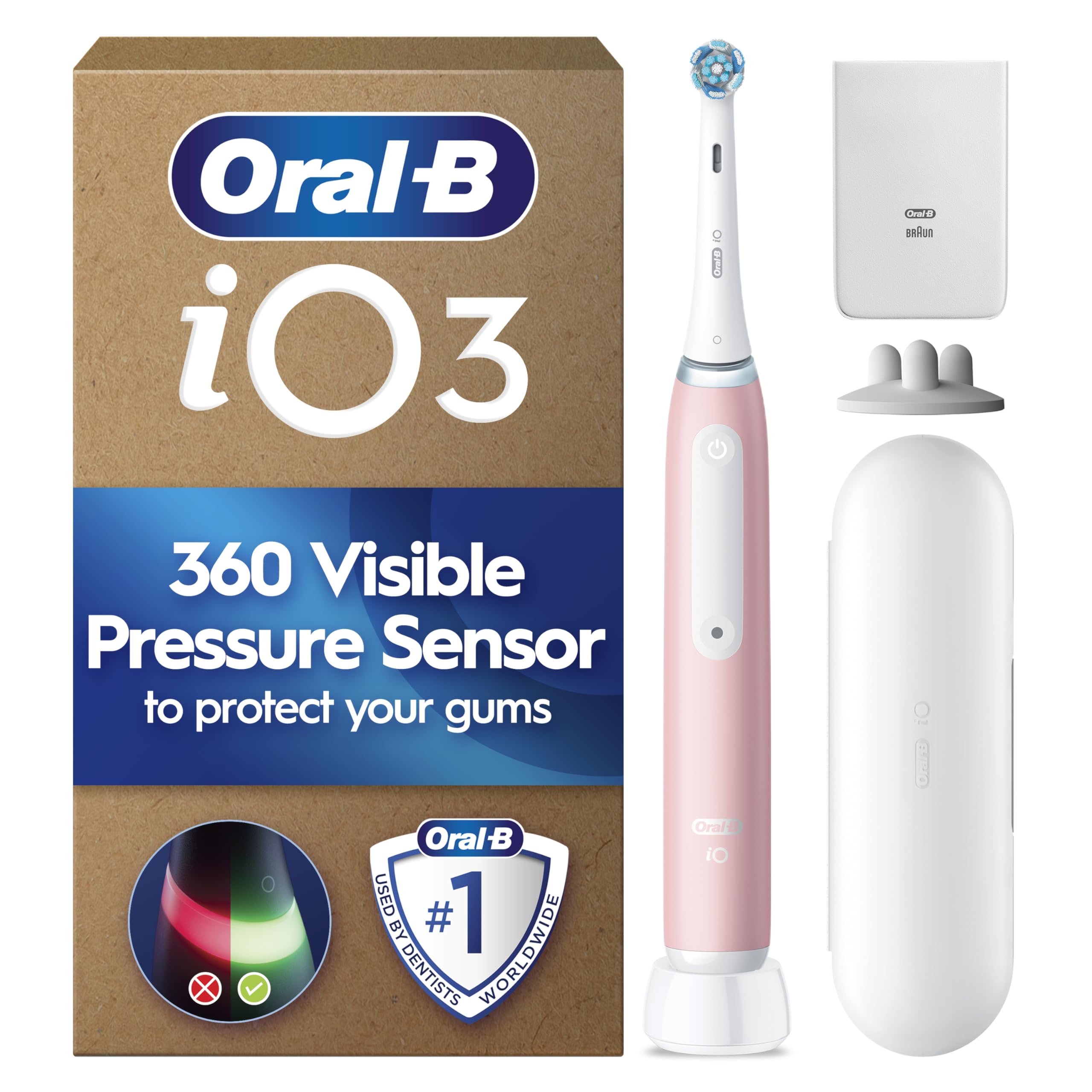
Oral-B iO3 Ultimate Clean Electric Toothbrush, Blush Pink, Long-Lasting Battery with Travel Case for Home and Travel, With Refill Holder and Charger Pouch
An iO3 electric toothbrush with a travel case, refill holder and charger pouch, in Blush Pink.
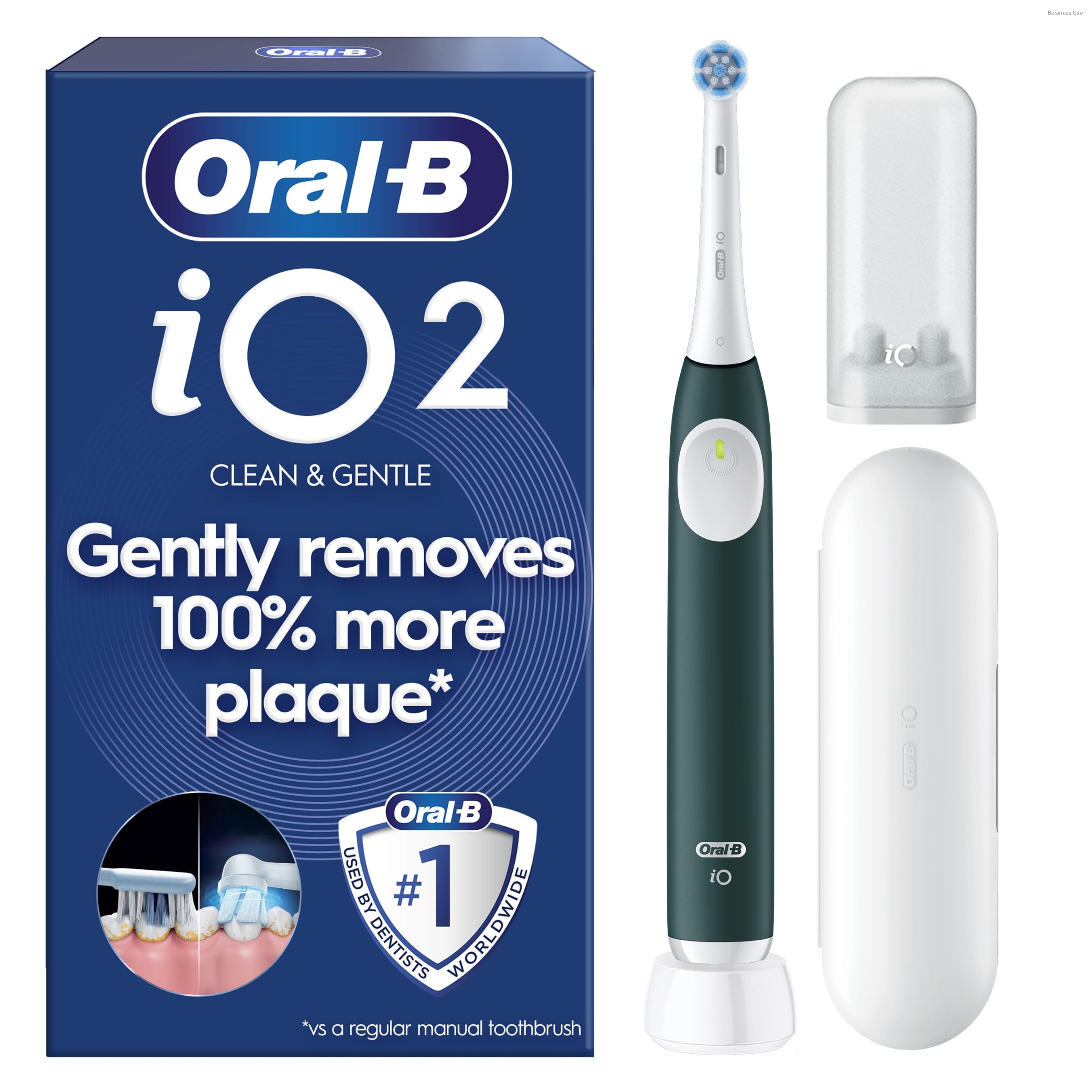
Oral-B iO2 Electric Toothbrush for Adults, Forest Green, with Travel Case
An iO2 electric toothbrush with a gum pressure sensor, travel case and 2-minute timer.
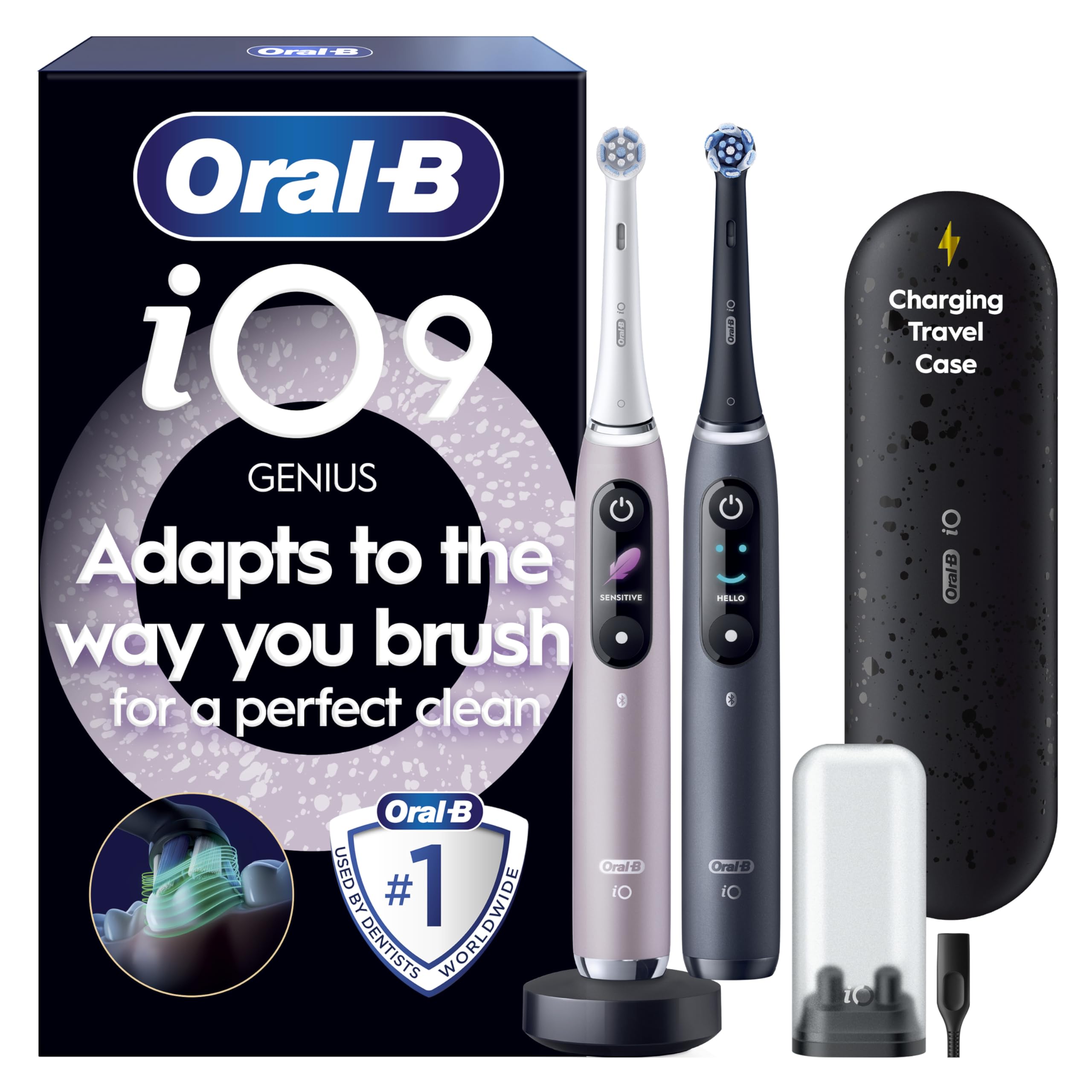
Oral-B iO9 2x Electric Toothbrushes For Adults, Oral B Electric Toothbrushes, Gifts For Women / Men, 2 Toothbrush Heads and Charging Travel Case, 7 Modes with Teeth Whitening, 2 Pin Plug, Black
Two iO9 electric toothbrushes with a charging travel case and 7 cleaning modes.
Not seeing what you're after? Browse the official Oral-B store on Amazon for its full range.
Visit the Oral-B storeDo dentists actually recommend a brand, or just a feature set?
Worth being upfront: no independent survey of what UK dentists actually recommend by brand exists anywhere, checked specifically for this page. Every version of "X% of dentists recommend Oral-B" traces back to the brand's own marketing, not third-party research.
What is real and independently checkable is accreditation, and it's worth reading exactly what that means. The American Dental Association's own published wording for Oral-B's iO Series states the seal certifies the product "is safe and has shown efficacy in removing plaque and helping to prevent and reduce gingivitis, when used as directed." That's a safety and efficacy finding, not a statement that dentists prefer Oral-B over any rival. Oral-B's iO3 and iO9 each also carry their own accreditation page with the Oral Health Foundation, the UK's dental health charity.
Both are genuine, checkable facts, not marketing fluff, and both mean something narrower than "recommended by dentists" implies. Treat accreditation as evidence the product does what it claims, not as a brand-preference verdict.
Oral-B or Sonicare: what the real evidence says
Most of the clinical case for powered brushing over manual traces to one review: Yaacob et al.'s 2014 Cochrane review, 56 trials in total, 51 of them with 4,624 participants contributing to the actual meta-analysis. The real numbers: an 11% plaque reduction at 1 to 3 months, rising to 21% at 3 months or more, and a 6% gingivitis reduction at 1 to 3 months, rising to 11% at 3 months or more, both against manual brushing. Only 27 of the 56 trials specifically used oscillating-rotating brushes, Oral-B's mechanism, so the evidence backs powered brushing broadly, not one mechanism over another as strongly as some marketing implies.
Worth knowing before weighing any brand-vs-brand study you see cited: most of them are funded by the brand being tested. Procter & Gamble funds the bulk of Oral-B's own research, Philips funds Sonicare's, which is normal for the industry but rarely disclosed. Independent, non-brand-funded comparisons, Electric Teeth and Dentaly among them, lean slightly towards Oral-B's oscillating-rotating action on the clinical evidence, while Sonicare tends to run quieter and gentler with better reported battery life on paper.
Neither brand wins outright. If you're choosing on price rather than a marginal clinical edge, Oral-B's deeper and more frequent discounting is the more decisive factor for most buyers.
The one feature the evidence actually backs
Strip away the screens, app coaching and colour displays, and the feature most directly tied to protecting your gums is a pressure sensor, something that stops or warns you when you're brushing too hard. It's the single spec worth insisting on regardless of price, and Oral-B builds a version of it into every model from the iO2 up, from a basic vibration warning to the iO3's visible light ring.
Everything above that, the app tracking, the 3D display on the iO9, makes brushing easier to stick with consistently, which matters for real-world results, but it isn't what the clinical evidence itself is measuring. Consistency plus a pressure sensor beats a premium screen you don't actually need.
The downside nobody mentions
Sourced to a named dentist, Dr Mark Burhenne, rather than a manufacturer's own page: Sonicare's battery life varies far more in real use than the marketing suggests, typically 8 to 9 months before a noticeable decline, though some owners report as little as 3 months and others get 2 years. Counterfeit replacement heads are also more common for Sonicare than for Oral-B specifically, and the cheap knockoffs are often poorly made.
One downside applies to every brand equally, oscillating or sonic: a worn brush head can still cause real enamel and gum damage if you push too hard, the mechanism doesn't protect against bad technique. That's exactly why the pressure sensor above matters more than which brand you buy.
The wider market: Sonicare and Suri
Neither of the below is curated or price-checked on this site. Every figure was checked directly against the brand's own site or a UK price-comparison aggregator on 3 August 2026.
Philips Sonicare's DiamondClean 9000 carries the exact same RRP pattern Which? already found on Oral-B: an official RRP of £299.99 to £349.99 against a real UK street price of £107.10 to £134.99. It's an industry-wide habit, not something specific to one brand. Philips markets its Sonicare range generally at up to 62,000 movements a minute, its own stated figure rather than one we lab-tested ourselves.
Suri is the genuinely trending name in this search right now, and its own site backs up the buzz on 2 fronts, verified directly: it's real B Corp accredited, and the current Suri 2.0 runs 33,000 vibrations a minute at £105 for the full Welcome Set with a UV-C charging case, replacement heads working out to about £5 each in a 3-pack. What Suri doesn't have is Oral-B's kind of accreditation, its "Dental Advisory Board" is an in-house panel it created itself, not an independent dental body the way Oral-B's iO3 and iO9 are both accredited by the Oral Health Foundation.
About this page
LightningBrands curates and price-checks Oral-B's iO range, including all 3 models on this page. We don't sell, stock or price-check any of the other brands named above, so their specs are included as honest market context only, sourced from each brand's own site or a named independent reviewer, never dressed up as our own deal or given a price we haven't verified live.